
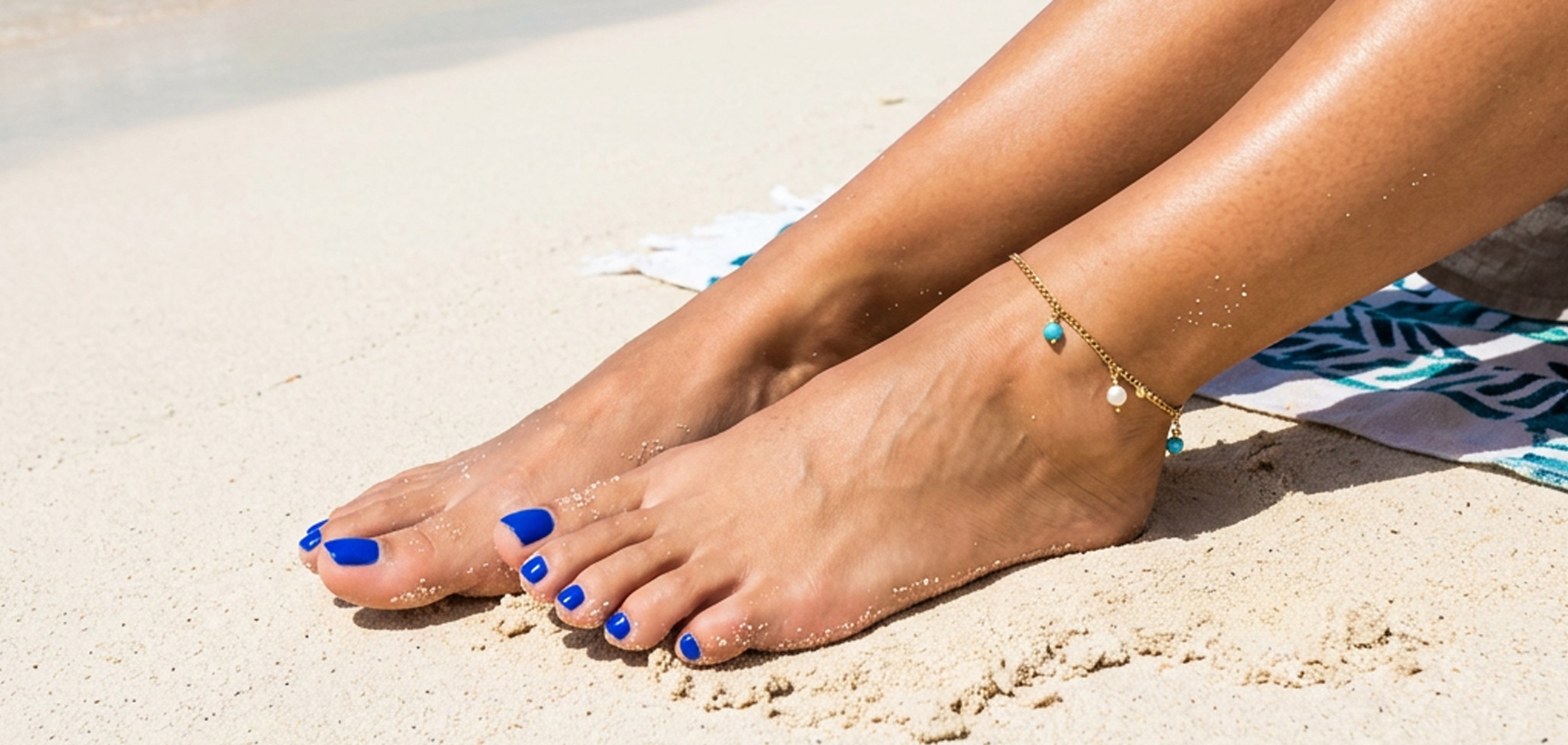
With warmer weather finally here, sandals, flip-flops, Crocs and open-toed shoes make their annual return. It’s also the time of year when many patients become more aware of the appearance and health of their feet, creating great opportunities for pharmacists to start conversations about common foot concerns.
Onychomycosis: Looking Beyond the Nail Polish Bottle
Toenail fungus remains one of the most common conditions we see in practice. While oral terbinafine continues to be one of the most effective treatment options for appropriate patients, it isn’t suitable for everyone because of potential drug interactions, liver considerations, or patient preference.
Commercial topical therapies such as ciclopirox lacquer and efinaconazole (Jublia) are alternatives, but treatment often requires daily application for many months and, unfortunately, these products are frequently not covered by drug benefit plans.
When cost becomes a barrier, compounded topical preparations may provide another option to discuss with patients. Although used off-label, these formulations are often eligible for reimbursement through many private insurance plans when prescribed.
Some commonly requested formulations include:
- Ibuprofen 2% / Terbinafine 2% / Urea 20% in DMSO Nail Lacquer
- Fluconazole 2% / Ibuprofen 2% in PCCA EctoSeal®
These compounded options may be appropriate for selected patients who are unable to use oral therapy or are seeking a more affordable topical alternative. These can be adapted or initially prescribed by a Pharmacist with APA in Alberta.
Dry, Cracked Heels and Summer Foot Care
Summer also brings increased attention to dry, cracked heels and calluses. Regular moisturizing, gentle mechanical exfoliation after soaking, and appropriate footwear remain the cornerstones of management.
For patients needing additional treatment, compounded keratolytic preparations can be very effective. A couple commonly used options are:
- Salicylic Acid 10% / Urea 20% in an emollient base
- Salicylic Acid 20%/Menthol 0.1% Topical Cream
This combination helps soften thickened skin while promoting gradual exfoliation and improving overall skin hydration.
A Great Opportunity for Patient Conversations
Seasonal changes often create natural opportunities for pharmacists to engage patients about their foot health. Whether discussing fungal nail infections, dry heels, warts or preventative foot care, these conversations can improve outcomes while helping patients feel more confident during sandal season.
If commercially available products aren’t appropriate, affordable, or covered by insurance, remember that compounded preparations may offer another therapeutic option worth considering for the right patient. If you have questions or would like to discuss formulation options for your patients or physicians, please let us know. We are here to help!